Most recovery journals fail on day nine, not day one. The first week runs on motivation. Then a hard evening arrives, you are tired, the blank page feels like homework, and you skip it. Skip twice and the habit is gone. The problem is rarely commitment. It is friction: an empty page with no starting point, plus the effort of typing a paragraph when your hands are the last thing you want to use after a long day.
This is a practical guide for people in recovery who want a journal that actually gets written: daily prompts, a structure you can reuse without thinking, and a way to capture an entry by speaking instead of typing. No outcome promises here, just a lower barrier to writing the thing down.
Key takeaways
- A recovery journal works when it has a fixed structure and prompts, so you never face a blank page.
- Five core entry types cover most days: a check-in, a trigger log, a gratitude line, a craving note, and a next-action.
- Speaking an entry takes about 25 seconds against roughly 2 minutes of typing, which matters most on low-energy nights.
- Keep entries private with local files and no cloud sync, or with on-device processing so nothing leaves your machine.
- Contextli types your spoken reflection into any notes app you already use, and adapts the wording with a customized Notes Mode.
Why a Daily Recovery Journal Is Hard to Keep
Recovery journaling asks you to write at exactly the moments writing feels hardest: after a craving, after an awkward conversation, at the end of a draining day. The advice to "just write freely" backfires here, because a blank page gives your brain room to spiral rather than settle.
Two frictions do most of the damage: the blank page with no prompt, and the physical effort of typing on a night when you are worn down. The fix is to remove both. Give every entry the same handful of prompts so you are answering questions, not composing an essay, and make recording as light as speaking a few sentences out loud.
The Five Daily Prompts That Cover Most Days
You do not need a new prompt every day, just a small repeatable set you can answer in two minutes. These five cover the ground most people in recovery want to track.
- Check-in. One line on how today actually felt, not how it should have felt. Example prompt: "On a scale I set for myself, where was today, and what one thing moved it?"
- Trigger log. Name a moment that pulled at you and what surrounded it. Prompt: "What situation, person, or feeling raised the pressure today, and what did I do next?"
- Gratitude line. One concrete thing, not a category. Prompt: "Name one specific thing from today I would not want to lose."
- Craving note. If a craving showed up, log its shape without judgment. Prompt: "When did the urge peak, how long did it last, and what came before it?"
- Next action. One small thing for tomorrow. Prompt: "What is the single next step that keeps me steady tomorrow?"
Answer all five and you have a real entry. Answer two on a bad night and the streak is still alive. The structure is the point: the same prompts every day, so you never have to decide what to write.
Prompt Sets for Specific Days
Some days need a different lens, so keep a few themed prompt sets ready. For a high-craving day, narrow to the craving note and next action, and add: "What did I learn about this urge I can use next time?" For a milestone (a week, a month, a year), swap the trigger log for: "What is different about how I handle pressure now versus when I started?" For a low-mood day where nothing dramatic happened, lean on the check-in and gratitude prompts and keep it short. A two-line entry still counts.
Writing this by hand or thumb-typing on a phone is exactly where people quit. A voice-to-text tool that types your spoken answer directly into your notes app lets you finish the entry while making tea, without opening a keyboard.
Keeping a Recovery Journal Private
A sobriety journal holds some of your most sensitive writing, so where it lives matters as much as what it says. Cloud-synced journal apps store your entries on someone else's servers by default, a real consideration for a document like this.
Contextli gives you three privacy levels you can stack:
- Local models. Transcription and the AI wording run on your own machine. You can turn the internet off and the app still works. The honest trade-off: this needs a reasonably modern Mac or Windows laptop, and older machines run it slowly.
- Bring your own key (BYOK). You supply your own provider API key, and your text goes from your machine straight to that provider. Contextli never sees the audio or the text, and you pay the provider directly.
- Disable cloud sync. Turn sync off and Contextli stores nothing in its database. Your notes live as local files on your device.
Stack all three and the whole flow is offline: nothing about your recovery journal leaves your laptop, a combination the mainstream journaling apps do not offer. The dictation privacy guide walks through each level, and the BYOK setup guide covers using your own key.
How Contextli Fits a Recovery Journal
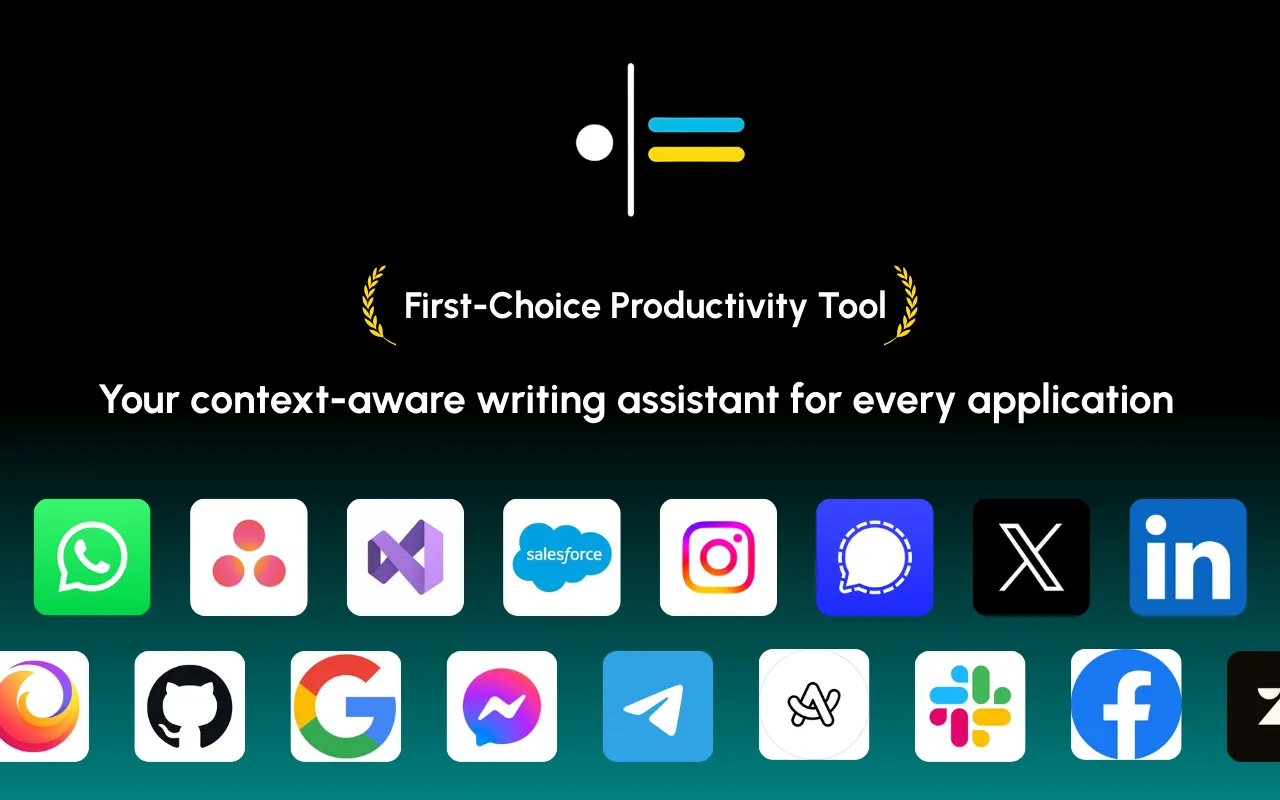
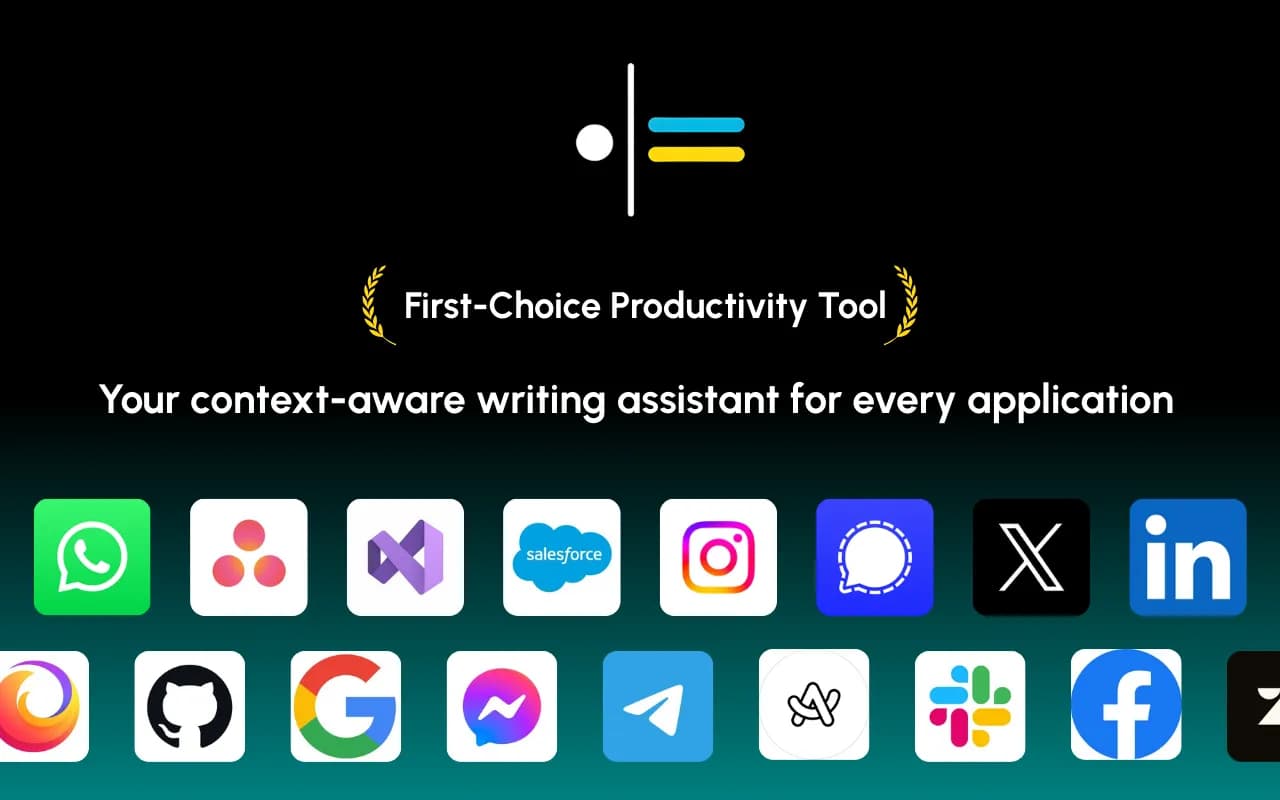
Contextli is a context-aware speech-to-text desktop app. It is system-level: it types into whatever window has your cursor, so it works with the notes app or document you already use. There is no app-specific integration, which is the point, you keep your existing setup.
The part that matters for journaling is the customized Notes Mode. You feed a Mode three or four examples of how you want entries to read, or a plain instruction like "keep it in first person, no headings, plain sentences." After that, every dictation comes out matching that voice instead of a stiff transcript: you speak a rambling reflection, and it lands as clean, readable sentences. You can set up more than one Mode too, such as a short factual wording for the trigger and craving notes and a softer reflective one for the check-in and gratitude lines. The guide to customizing Modes with examples shows the flow step by step.
A note on where other tools win: if all you want is a raw transcript typed fast, Wispr Flow is quicker. Contextli trades a little speed for wording that reads like a finished entry rather than a dump of spoken words, which for a private daily journal is usually the better trade.
Voice vs Typing for Daily Entries
Speaking wins for this habit because of time and energy on the exact nights you least want to write. Here is how the approaches compare.
| Method |
Time for a 5-prompt entry |
Effort on a low-energy night |
Privacy option |
| Typing on a laptop |
~2 min |
High (full keyboard, editing as you go) |
Depends on the app |
| Thumb-typing on a phone |
~3 min |
High (slow, error-prone) |
Depends on the app |
| Native OS dictation |
~1 min |
Medium (raw transcript, manual cleanup) |
Sends audio to the OS provider |
| Contextli (Notes Mode) |
~25 sec speaking |
Low (speak once, it types clean text) |
Local models, BYOK, or no cloud sync |
The times are for a five-prompt entry at a normal talking pace. The gap is not dramatic on a good day. On a hard day, 25 seconds of talking versus two minutes of typing is often the difference between an entry and a skipped night.
A Real Evening, Written Out
It is 10:40pm. Maria has 47 days sober and a rough evening behind her: a tense family call, and a craving that arrived around 8pm and hung on for twenty minutes. She is on the couch, laptop half-closed, and the last thing she wants is to type.
She opens her notes app, triggers Contextli's Notes Mode, and speaks for about 25 seconds: the call, when the craving peaked and how long it lasted, the one thing she is grateful for, and tomorrow's plan to text her sponsor before dinner. Contextli types it into her journal as clean first-person sentences matching the example entries she set up earlier. Typing that would have taken close to two minutes she did not have. Tonight it got written, and the streak held.
The next morning she reads it back and the trigger log makes the pattern obvious: the craving followed the family call by less than an hour. That is a note she would not have if the page had stayed blank.

FAQ
What should I write in a recovery journal every day?
Use a fixed set of prompts so you never face a blank page. A workable daily set is a check-in on how the day felt, a trigger log, one specific gratitude line, a craving note if one applied, and a single next action for tomorrow. Answering two of the five on a hard night still counts.
How long should a daily sobriety journal entry be?
Short is fine and often better for the habit. Two to five sentences answering your prompts is enough. The goal is consistency, not length, so a two-line entry on a low day beats a skipped night.
Is it better to type or speak my recovery journal?
Speaking removes the friction that ends most journaling habits. A five-prompt entry takes about 25 seconds to speak against roughly two minutes to type, and on the tired nights when journaling matters most, that gap often decides whether it gets written.
How do I keep my recovery journal private?
Choose tools that keep your writing on your own device. With Contextli you can run the models locally with the internet off, bring your own provider API key, and disable cloud sync so entries live as local files. Stacking all three keeps the whole flow offline.
Can I use Contextli with a journaling app I already have?
Yes. Contextli is system-level and types into whatever window your cursor is in, so it works with the notes app, document, or journal app you already use. There is no app-specific integration to set up.
Does Contextli fix the wording of what I say?
With a customized Notes Mode, yes. You feed it three or four examples of how you want entries to read, or a plain instruction like "first person, no headings," and it turns your spoken reflection into clean sentences that match that style instead of a raw transcript.
If you are building a broader set of daily habits, the gratitude journal habit guide covers why journals stall after two weeks. For mood-focused tracking alongside sobriety, see mood tracking for anxiety. The Contextli Contexts hub collects the full library of writing setups for personal logs and journals.
Try It on Tonight's Entry
If the blank page and the typing keep stopping you, set up a Notes Mode with a couple of example entries and speak tonight's reflection instead of typing it. Contextli types it straight into your journal in your own wording, and you can run it fully offline so nothing leaves your machine. It is free to start with 100 credits/month on the free tier, no credit card required.
See how Contextli's Modes work




 Junaid Khalid